
Enhancing Your Wood Boiler's Efficiency with Quality Insulated PEX Pipe: A Comprehensive Guide
2025-01-28


Enhancing Your Wood Boiler's Efficiency with Quality Insulated PEX Pipe
Understanding the Role of Insulated PEX Pipe in Wood Boiler Systems
To truly enhance the efficiency of your wood boiler, it's essential to understand the integral role that insulated PEX pipe plays. Traditional heating systems often struggle with energy loss due to inadequate insulation in the pipes that transport hot water. *
Enhancing Your Wood Boiler's Efficiency with Quality Insulated PEX Pipe
Understanding the Role of Insulated PEX Pipe in Wood Boiler Systems
To truly enhance the efficiency of your wood boiler, it's essential to understand the integral role that insulated PEX pipe plays. Traditional heating systems often struggle with energy loss due to inadequate insulation in the pipes that transport hot water. **Insulated PEX pipe** provides an effective solution, reducing heat loss and improving overall system performance.
What is PEX Pipe?
**PEX (cross-linked polyethylene)** pipe is a flexible plastic piping material commonly used in plumbing and heating systems. It is known for its durability, resistance to corrosion, and ease of installation. The insulation added to PEX pipe further enhances its efficiency by preventing heat from dissipating during transit.
Benefits of Using Insulated PEX Pipe for Wood Boilers
Using insulated PEX pipe with your wood boiler offers numerous advantages:
- **Improved Energy Efficiency**: Insulated PEX pipes maintain higher water temperatures, which translates to less energy consumption.
- **Reduced Frost Risk**: The insulation protects the pipes from freezing temperatures, ensuring your system operates effectively year-round.
- **Longer Lifespan**: The resistance of PEX to corrosion and degradation enhances the longevity of your heating system.
- **Flexible Installation Options**: PEX’s flexibility allows for easier installation, especially in challenging spaces.
Choosing the Right Insulated PEX Pipe for Your Wood Boiler
Selecting the appropriate insulated PEX pipe is crucial for maximizing efficiency. Here are some factors to consider:
Pipe Diameter
The diameter of the PEX pipe affects the flow rate and the overall efficiency of the heating system. It's essential to choose a size that aligns with your wood boiler's specifications.
Insulation Material
The insulation material surrounding the PEX pipe significantly impacts thermal retention. Look for pipes that use high-quality insulation, such as closed-cell foam, which offers excellent resistance to heat loss.
Temperature Ratings
Ensure that the PEX pipe you select is rated for the high temperatures typical of wood boiler applications. Look for flexibility in temperature ranges to accommodate different operational conditions.
Installation Tips for Insulated PEX Pipe
Proper installation of insulated PEX pipe is vital for achieving optimal efficiency. Here are some essential tips:
Planning Your Layout
Before installation, plan your pipe layout to minimize bends and turns. Straight runs allow for better water flow and reduce the risk of heat loss.
Using Correct Fittings
Use compatible fittings designed for PEX to ensure a leak-free connection. This is crucial for maintaining the integrity and efficiency of your system.
Securing Pipes Properly
Secure your insulated PEX pipes using appropriate supports to prevent sagging. Properly secured pipes reduce the risk of stress and potential damage over time.
Testing for Leaks
Once installed, conduct a thorough leak test. Pressure testing will help you identify any potential issues that could compromise the efficiency of your wood boiler system.
Maintenance of Insulated PEX Pipe in Wood Boiler Systems
Regular maintenance is essential for sustaining the efficiency of your wood boiler. Here are some tips to keep your insulated PEX pipe in top condition:
Routine Inspections
Conduct visual inspections of exposed pipes for signs of wear, damage, or leaks. Early detection can prevent costly repairs in the long run.
Cleaning the System
Periodically flushing your heating system removes sediment build-up, ensuring optimal water flow. This helps maintain the efficiency of both the boiler and the PEX piping.
Monitoring Water Quality
Maintaining proper water quality is essential for the longevity of PEX pipes. Test and adjust the pH and mineral content to prevent corrosion and scaling.
Cost Considerations for Insulated PEX Installation
While insulated PEX pipes are an investment, their long-term benefits outweigh the initial costs. Here’s a look at the financial aspects:
Initial Investment
The upfront cost of insulated PEX pipes and installation can vary based on the length required and the complexity of the installation. However, the savings on energy bills over time can make this a cost-effective choice.
Long-Term Savings
With improved energy efficiency, homeowners can expect significant reductions in heating costs, leading to substantial long-term savings.
Real-World Applications and Case Studies
Understanding how insulated PEX pipes have been effectively utilized in wood boiler systems can provide valuable insights. Here are a few examples:
Residential Installations
Many homeowners have reported reduced heating costs and increased comfort levels after switching to insulated PEX pipe for their wood boilers. One case study showed a 30% reduction in heating expenses within the first year.
Commercial Applications
In commercial settings, insulated PEX pipe has helped businesses streamline their heating processes. A local manufacturing plant noted improved operational efficiency and lower utility bills after upgrading their piping system.
Frequently Asked Questions (FAQs)
1. What is the lifespan of insulated PEX pipe?
Insulated PEX pipe can last over 50 years if properly installed and maintained.
2. Can insulated PEX pipe be used for both hot and cold water systems?
Yes, insulated PEX pipe can be used for both hot and cold water systems, making it versatile for various applications.
3. Is it necessary to insulate PEX pipes in warm climates?
While not required, insulation can still provide benefits by reducing heat gain and conserving energy.
4. How do I know if my PEX pipe is properly insulated?
Proper insulation should feel warm to the touch when hot water is flowing through it, and there should be no visible gaps or damage to the insulation.
5. What maintenance is required for insulated PEX pipe?
Regular inspections, cleaning of the heating system, and monitoring water quality are essential for maintaining insulated PEX pipe.
Conclusion
Incorporating quality insulated PEX pipe into your wood boiler system is a strategic move to enhance efficiency, reduce energy costs, and ensure long-term performance. With the right installation techniques and regular maintenance, you can enjoy the benefits of a well-functioning wood boiler while contributing to a more sustainable energy future. By investing in insulated PEX piping, you not only improve your heating system but also make a positive impact on the environment.
TAG:
Related Posts
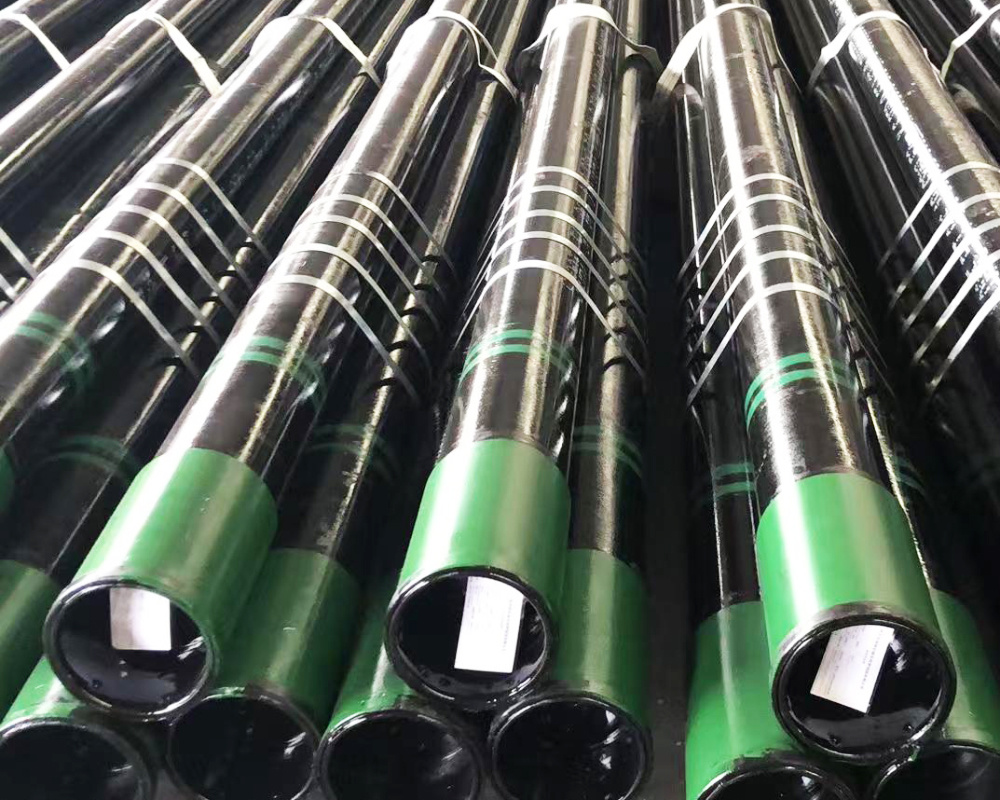
Understanding A53 Seamless Pipe: Essential Insights for Building and Construction
A53 seamless pipes are a vital component in the construction and building materials industry, particularly for applications requiring high strength and durability. These pipes are manufactured from carbon steel and are known for their seamless construction, which provides several advantages over welded pipes. The seamless design not only reduces the risk of failure under pressure but also minimize
MESSAGES
We will contact you within one working day. Please pay attention to your email.

Xindian Town, Cangzhou City, Hebei Province, China.